7 min read
BREAKING DOWN A MUAY THAI FIGHT — HOW TO WATCH LIKE A PRO
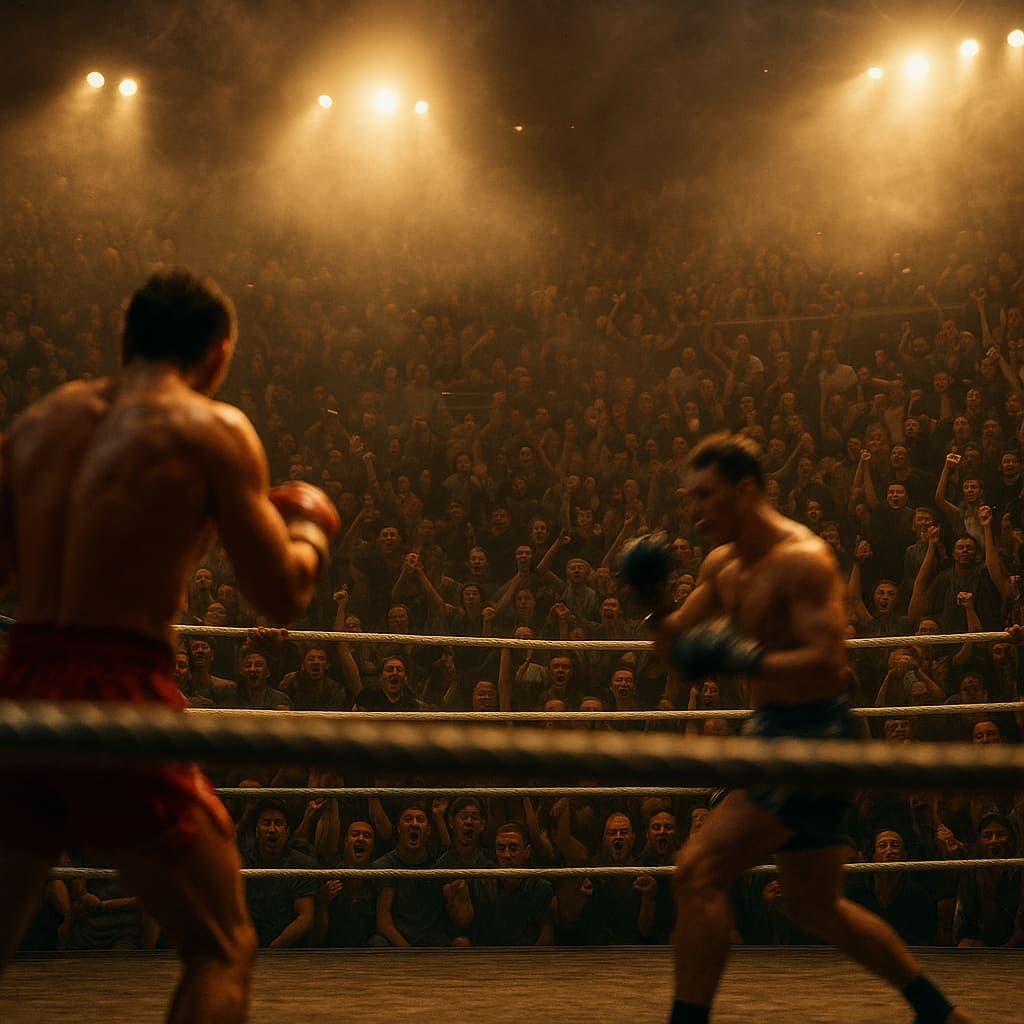
Watching a Muay Thai fight as a casual observer and watching one with an educated eye are completely different experiences. To the untrained viewer, two fighters are hitting each other and the one who lands more wins. In reality, Muay Thai scoring is nuanced, strategic, and often counterintuitive to fans accustomed to Western boxing or MMA judging. Learning to read a fight properly transforms your viewing experience and deepens your appreciation for the sport.
The first thing to understand is that traditional Thai scoring is fundamentally different from boxing or MMA scoring. In Thailand, fights are scored over five rounds, but the first two rounds are largely considered feeling-out periods. Judges pay closest attention to rounds three, four, and five, where the real fight takes place. This creates a strategic dynamic where fighters may appear to coast early before dramatically increasing their output in the later rounds. What looks like a slow start to a Western viewer is often a deliberate tactical choice.
Scoring priorities in traditional Muay Thai heavily favor kicks, knees, and elbows over punches. A clean roundhouse kick to the body or head scores significantly higher than a flurry of punches. This is one of the most common sources of confusion for viewers accustomed to boxing, where punch volume and combinations are the primary scoring criteria. In Muay Thai, a fighter can throw fewer total strikes but win the round convincingly by landing several hard kicks while their opponent relies primarily on punches.
Balance and composure are critical scoring factors. A fighter who gets swept or stumbles after receiving a kick loses points not just for the technique received but for the visible loss of balance. Conversely, a fighter who absorbs a hard strike without showing any reaction demonstrates superiority in the eyes of Thai judges. This is why you will see experienced Thai fighters deliberately show no pain even after taking significant shots, while occasionally exaggerating the impact of their own strikes on their opponent.
The clinch in Muay Thai is not a stalling tactic as it often is in boxing. In Thai scoring, clinch dominance is highly valued. The fighter who controls the position, lands knees, and executes dumps or sweeps wins significant points in the clinch exchanges. Watch for neck control: the fighter who establishes double collar ties and pulls the opponent's head down into knees is winning the exchange. Successful off-balancing throws, where one fighter dumps the other to the canvas, score well even though they look less dramatic than a clean kick.
Reading body language in a Muay Thai fight reveals layers of information that the commentators might not mention. Watch the fighters' feet between exchanges. A fighter who is backing up consistently, even if they are countering effectively, may be losing in the eyes of the judges because forward pressure and ring control matter. Look at breathing patterns between rounds and during clinches. A fighter whose chest is heaving and whose mouth is open is fatiguing, while a fighter breathing steadily through the nose is managing their energy better.
The difference between Thai and international scoring styles creates confusion for fans watching events outside of Thailand. International rules, used by organizations like ONE Championship and Glory, often adopt a more Western approach that values punching more highly and scores each round more independently. A fighter who dominates rounds one and two under international rules builds a lead that matters, whereas in traditional Thai scoring those early rounds carry less weight. Understanding which ruleset governs the fight you are watching is essential for following the scoring accurately.
Gambling plays a significant role in the atmosphere of traditional Thai stadium fights and directly influences the fighting styles you observe. In the stadiums of Bangkok, the betting crowd provides a real-time indicator of who is perceived to be winning. The roar of the gambling section tells you which fighter the bettors favor, and shifts in their enthusiasm between rounds reflect perceived momentum changes. Fighters who are aware of the betting dynamics may adjust their tactics to create favorable perceptions, sometimes dramatically increasing output in round four to swing the betting odds.
To truly appreciate a Muay Thai fight, watch it more than once. On first viewing, absorb the overall flow and excitement. On second viewing, focus on one fighter and analyze their strategy, noting how they set up their best techniques and how they respond to their opponent's attacks. On third viewing, watch the other fighter with the same analytical eye. This approach, used by coaches and serious students of the sport worldwide, transforms casual entertainment into genuine study of one of the world's most sophisticated striking arts.
The five-round versus three-round difference matters more than most international viewers realize. Traditional Thai stadium fights run five three-minute rounds with two-minute breaks, and the scoring weighting toward rounds three through five is built into how fighters pace themselves and judges interpret what they see. International promotions running three-round formats fundamentally change the rhythm — a fighter cannot afford the slow opening rounds traditional in Thailand, and the late-round explosion that decides traditional fights gets compressed into a final two minutes that may not feel like the climax of a five-round arc. Watching the same fighter perform in both formats reveals how much of what looks like style is actually rhythm shaped by round structure.
Specific scoring criteria that judges actually apply, in roughly descending importance: clean head kicks that land or visibly affect the opponent, body kicks and knees that move the opponent or visibly cause damage, sweeps and balance disruption that put the opponent on the canvas, ring control and forward pressure (the fighter walking the action down), clean punches that cause damage, and clean punches in volume. Notice that punches in volume sit at the bottom of the list. A fighter who throws 80 punches per round but lands few cleanly, while their opponent throws 30 punches and 6 kicks of which 3 land cleanly, will lose in Thai scoring most of the time. This is why Western boxing fans watching Thai-rules Muay Thai often disagree with the official decision — they are weighting punch volume the way Western boxing does, not the way Thai judges do.
Examples of controversial decisions become teaching moments without naming specific bouts. A fighter who appeared to dominate rounds one and two but visibly tired in rounds four and five often loses to a fighter who came on strong late, even if the early rounds were clearer wins on a pure count. A fighter who out-volumes their opponent but eats two clean head kicks may lose despite throwing 30% more total strikes. A clinch fighter who controls position and lands knees throughout but is out-pointed at range may still take the decision because clinch dominance scores higher than range-fighting volume in traditional Thai judging. These outcomes look wrong to international audiences but are completely consistent with how Thai judges have scored fights for a century.
Betting culture at Lumpinee and Rajadamnern shapes how fights are perceived. The professional gamblers in the front rows are often the most knowledgeable observers in the building, and the wagering action shifts the apparent momentum of a fight in ways that influence both fighter behavior and judge perception. A fighter whose betting odds shift dramatically mid-fight has by definition done something that experienced observers recognized as round-winning, even if individual exchanges are visually ambiguous. International viewers without access to the betting context miss this layer of information that Thai audiences read in real time.
Comparing Thai judging to event judging at international promotions, Glory Kickboxing or ONE Championship typically use scoring criteria closer to Western boxing — per-round assessment, more weight on punch volume and aggression, less weight on the cumulative arc of a five-round fight. ONE Championship has experimented with open scoring (announcing scores between rounds) which is unusual and changes strategic decisions in real time. The same fighter performing under both Thai and international rules will sometimes appear to be a different fighter, because their scoring options have shifted. Understanding which ruleset is in effect is the first step in scoring the fight correctly.