5 min read
HOW MUAY THAI HAS CHANGED LIVES AROUND THE WORLD
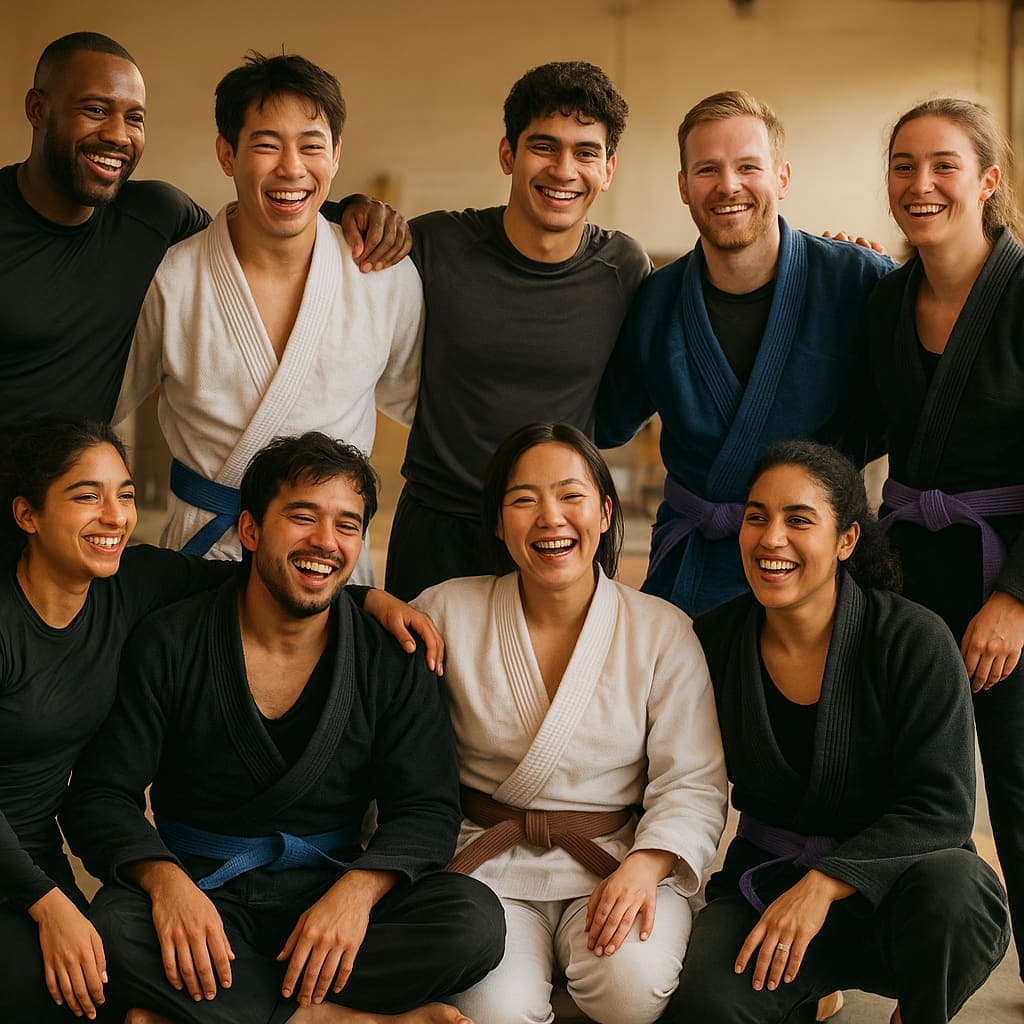
Spend enough time around a serious Muay Thai gym, and you start hearing the stories. Someone who was struggling with anxiety and depression finds a home at the gym and slowly rebuilds their sense of self. A teenager from a difficult background channels their energy into training and avoids the trouble their peers fall into. A middle-aged executive discovers a passion they never knew they had and transforms their physical and mental health. A young Thai fighter from a rural village earns enough through fighting to put their siblings through school. These stories are not rare. They are the rule, not the exception, and they represent one of the most important but least discussed dimensions of the sport.
For fighters born into poverty in Thailand, Muay Thai has historically been one of the few paths out. A talented young fighter from a rural village can join a camp, train alongside champions, and earn fight purses that over time can support an entire family. Many Thai champions began their careers as children, fighting for a few hundred baht per bout and gradually working their way up through the ranks. The money was never easy, and the cost to their bodies was real, but the opportunity was genuine in a way that few other career paths offered. Legends like Dieselnoi, Samart, and countless others came from this tradition, and modern Thai champions still do.
For foreign fighters who travel to Thailand to train, the experience is often a turning point in how they approach life. The simplicity of camp life, the focus on daily practice, and the absence of the ordinary distractions of modern existence combine to produce a kind of clarity that many visitors describe as transformative. They come home with new priorities, new friends, new physical capabilities, and often a new direction in life. Some stay in Thailand to fight professionally. Some open gyms of their own back home. Most simply become better versions of themselves and carry the lessons of the camp into everything else they do.
For people struggling with mental health issues, Muay Thai has provided a kind of structured challenge that traditional therapy sometimes cannot match. The combination of physical exertion, the discipline of regular training, the social connection of the gym, the safe outlet for aggression, and the confidence that comes from developing real skills addresses multiple dimensions of well-being simultaneously. Practitioners with histories of anxiety, depression, PTSD, and substance abuse have reported that training became a central part of their recovery. Muay Thai is not a substitute for professional care, but for many people it is a powerful complement.
For children and teenagers, Muay Thai offers structure, discipline, and healthy role models at ages when these things matter most. Youth Muay Thai programs in Thailand and around the world have kept kids off the streets, given them focus for their energy, and built confidence that translates into school performance and social skills. Several studies on youth participation in combat sports have documented improvements in behavior, academic performance, and emotional regulation.
For women in Muay Thai, the transformation is often especially profound. Many women come to the sport after negative experiences, and the combination of self-defense skills, physical confidence, and a supportive community provides a form of empowerment that is difficult to describe to someone who has not experienced it. The sport has historically been male-dominated, but the barriers have fallen rapidly in recent decades, and the community of female nak muay is now one of the most vibrant parts of the sport.
For older trainees, Muay Thai has provided a way to maintain physical and mental vitality into later life. The flexibility of training options, from hard sparring to light pad work to technique drilling, means that people of almost any age can participate safely. Older trainees often report that Muay Thai has helped them stay active, maintained their cognitive sharpness, and given them a community of younger friends that they would otherwise not have had.
The community itself may be the most important benefit. A good Muay Thai gym is one of those rare spaces in modern life where people from wildly different backgrounds come together in pursuit of the same goal. Lawyers train alongside construction workers, students alongside retirees, recent immigrants alongside lifelong locals. The shared experience of pushing through hard training creates bonds that outlast the training itself, and many practitioners describe their gym community as the most important group of friends in their lives.
The stories of transformation are endless, and they share a common thread. Muay Thai is a demanding art, and it rewards commitment with growth that goes far beyond the physical. People who show up consistently, who push through the difficult early months, who embrace the community, and who treat the training with the seriousness it deserves almost always find that the sport gives back far more than it takes. The gym becomes a second home, the training becomes a foundation for everything else, and the person who walks out is fundamentally different from the person who first walked in.