5 min read
THE BETTING CULTURE INSIDE THAI BOXING STADIUMS
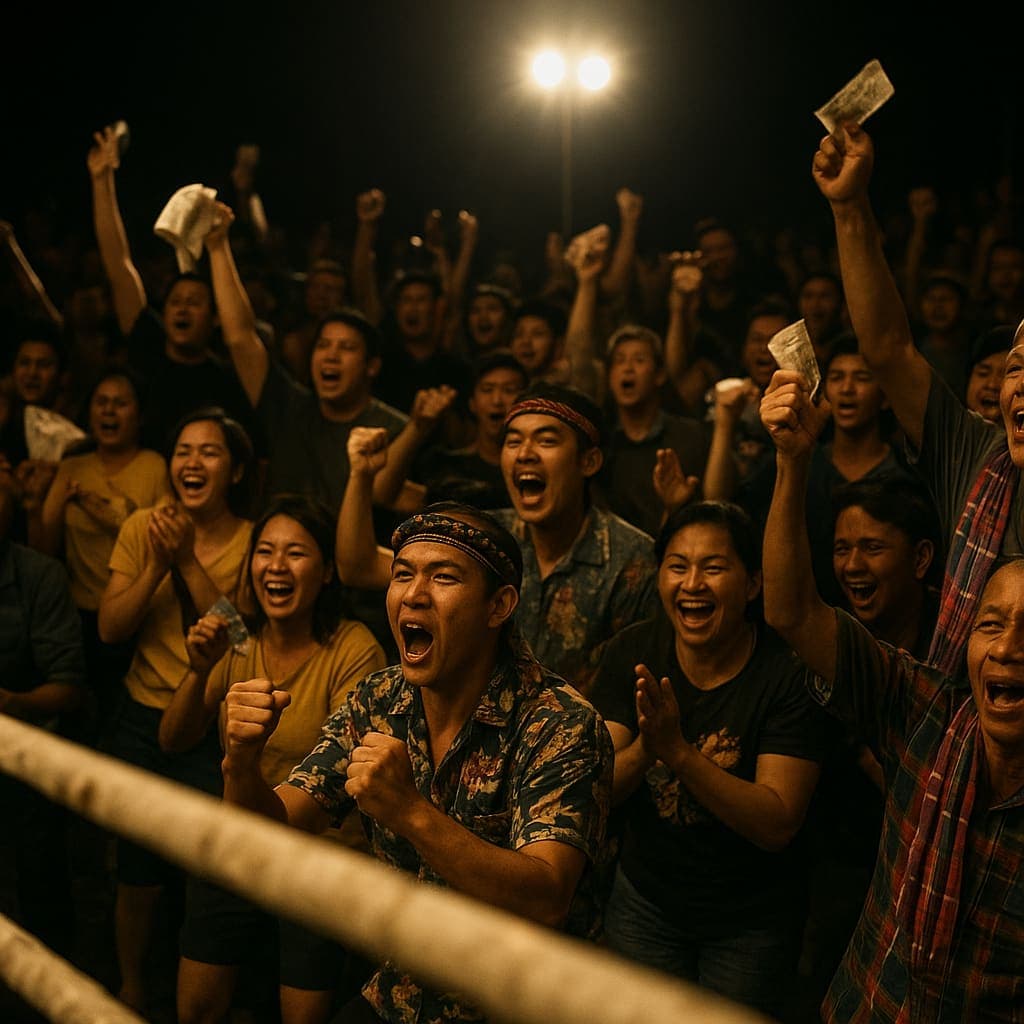
Walk into Lumpinee or Rajadamnern on a fight night, and one of the first things you notice is that the stadium does not feel like a sports venue in the Western sense. It feels like a trading floor. The cacophony from the ringside seats is not random cheering; it is the sound of professional gamblers shouting bids and odds at each other in real time, adjusting their wagers fight by fight, round by round, and sometimes moment by moment. This gambling culture is inseparable from traditional Muay Thai at the highest level, and understanding it explains a great deal about why the sport has developed the way it has.
The betting section of a traditional Thai stadium is typically the ring of seats closest to the action, where the most experienced and wealthiest gamblers sit. These are not casual fans placing small bets for fun. Many of them make their living from Muay Thai wagering, and they bring the kind of analytical knowledge that serious poker players or stock traders bring to their work. They know the fighters by name, they know their training histories, they have watched their last several fights, and they have opinions on how their styles will match up. When you see the front rows gesturing dramatically to each other and shouting numbers, you are watching professional gamblers negotiating bets in real time.
The mechanics of the betting are not always obvious to outsiders. Odds shift constantly during the fight based on perceived momentum. At the opening bell, a fighter might be a slight favorite based on pre-fight analysis. After round two, if that fighter has been less aggressive than expected, the odds swing toward the opponent. A dramatic exchange in round three might swing them back. Bets are placed and sometimes canceled or renegotiated multiple times during a single fight, and the hand signals used by gamblers to communicate these wagers have become a kind of specialized language.
This betting dynamic directly influences the fights themselves. Thai fighters are aware of the gambling culture and sometimes tailor their performances to it. A fighter might choose to hold back in the early rounds to encourage bets against him, then unleash more aggression in the later rounds both to win the fight and to create dramatic swings in the odds that benefit knowledgeable insiders. This is one of the reasons that traditional Thai fights often start slowly and escalate dramatically in the later rounds. The pacing is partially a function of how the scoring works and partially a function of how the betting works.
Gambling also influences which fights get promoted and how. Fights between fighters of similar caliber, where the outcome is genuinely uncertain, attract more gambling interest than mismatches. Promoters know this and structure their cards accordingly. Rivalries are cultivated, rematches are negotiated, and matchmaking prioritizes competitive bouts that will draw serious gambling money to the stadium.
The cultural significance of the gambling extends beyond the stadium. For many Thai fans, watching Muay Thai is inseparable from betting on it. Family members and friends will place small bets among themselves while watching fights on television, and the practice is a normal part of how the sport is consumed. This is not seen as problematic or shameful in Thai culture. It is part of the texture of being a fan.
The darker side of the betting culture exists as well. Match fixing has been an issue at various points in the sport's history, though the mechanisms in place to detect and punish it have become more sophisticated over time. When fighters are paid to lose, or when referees are bribed to influence scoring, the integrity of the sport suffers. Lumpinee and Rajadamnern have both faced scandals, and the Thai authorities periodically crack down on gambling rings that cross legal lines. The overall system is better regulated now than in past decades, but concerns remain.
For foreign visitors, the gambling culture can be one of the most fascinating aspects of attending a fight at a traditional Thai stadium. Simply sitting near the betting section and watching the ebb and flow of the wagers is an education in how serious gamblers read fights. The collective reaction of the gambling crowd often tells you more about what is happening in the ring than the commentary on the broadcast does. An experienced gambler can often tell you who is winning a round before the round ends, based on the subtle cues they read in the fighters' body language and energy.
International promotions that have taken Muay Thai to audiences outside of Thailand have generally not preserved the gambling culture, either because of legal restrictions in host countries or because the target audience is different. This produces fights with a different feel, where the pressure on the fighters comes entirely from the judging and not from the interaction with a knowledgeable gambling crowd. Some purists argue that modern international Muay Thai has lost something important by abandoning this element. Others argue that freeing the sport from its gambling ties has made it more accessible and more professional. Both positions have merit, and the debate is part of the broader conversation about how Muay Thai should evolve as it spreads around the world.