4 min read
LUMPINEE STADIUM — A BRIEF HISTORY OF MUAY THAI'S TEMPLE
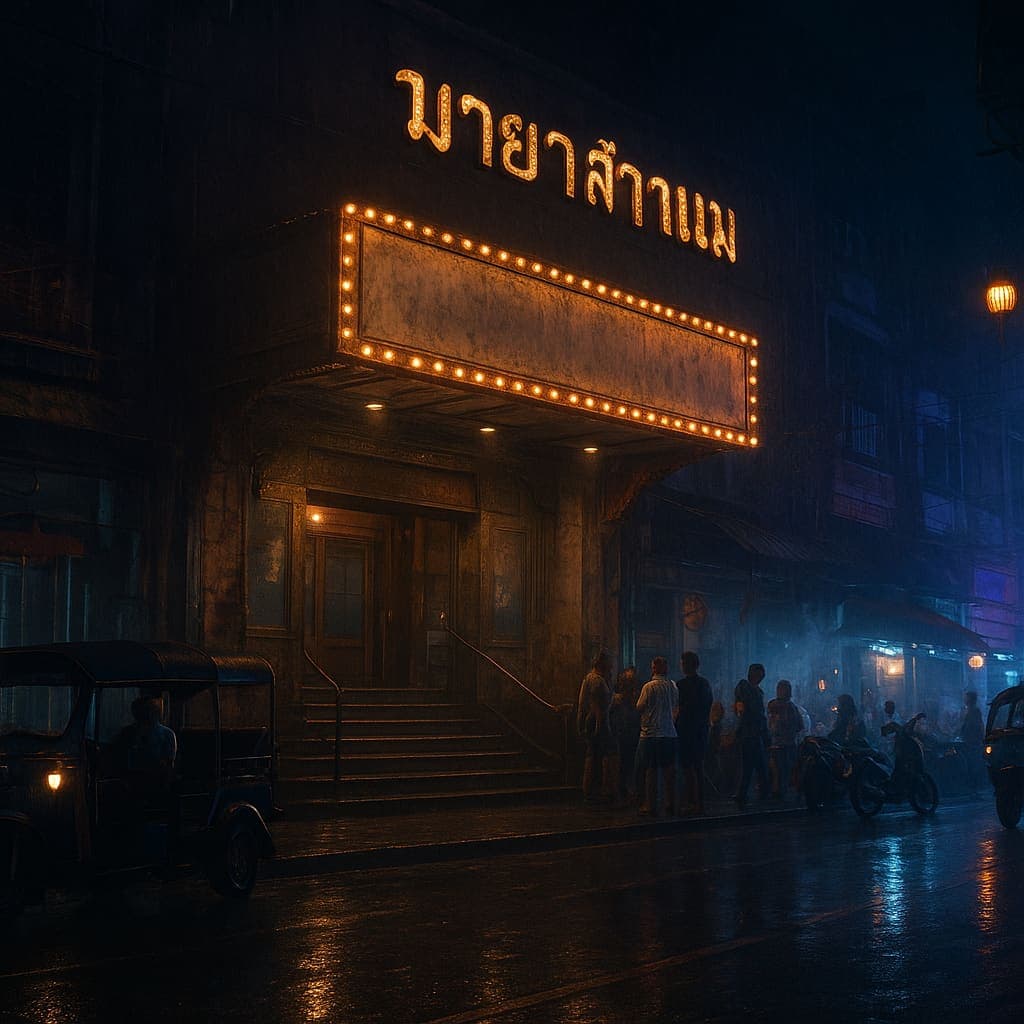
Lumpinee Stadium is the single most important venue in the history of Muay Thai. For nearly seven decades, it has served as the proving ground where Thailand's greatest fighters have built their legacies, where champions are crowned, and where the standard of what constitutes elite Muay Thai is set. Understanding Lumpinee is essential for understanding the sport itself, because the stadium has shaped how Muay Thai is judged, promoted, and fought at the highest level.
The original Lumpinee Stadium opened in December 1956 on Rama IV Road in central Bangkok. It was built under the administration of the Royal Thai Army, which has historically overseen the stadium's operations and given it a distinctly military character. The word Lumpinee itself comes from Lumbini, the birthplace of the Buddha, and the adjacent Lumpini Park was named in honor of that sacred site. The stadium sat in the heart of the city, its humble concrete structure and metal roof belying the outsized role it would play in the development of the sport.
From its earliest years, Lumpinee established itself as the rival to Rajadamnern Stadium, which had opened over a decade earlier in 1945. The two stadiums created a competitive dynamic that pushed Muay Thai to new heights. Fighters who won championships at both stadiums earned the rare distinction of being called a double champion. The weight class structures, scoring standards, and promotional practices developed at these two venues became the template for how Muay Thai is run throughout Thailand and internationally.
The golden era of Lumpinee ran roughly from the 1980s through the early 2000s. During this period, the stadium hosted legends like Samart Payakaroon, Dieselnoi Chor Thanasukarn, Samson Isaan, and Chamuakpet Hapalang, fighters whose names still echo through every Thai gym. These fighters competed in front of gambling crowds that would erupt with every kick landed or clinch dump executed, and the roar of the crowd served as an informal real-time scoring system that shaped the culture of the sport. Gamblers in the second and third tiers of the stadium were as much a part of the experience as the fighters themselves.
Lumpinee's scoring style became the benchmark for traditional Muay Thai judging. The preference for kicks over punches, the heavy weighting of the later rounds, the reward for balance and composure, and the celebration of clinch dominance all trace back to how judges scored fights at Lumpinee and Rajadamnern. When international promotions try to assess what counts as authentic Muay Thai scoring, they almost always reference these two stadiums as the standard.
In 2014, the original stadium closed and operations moved to a new, larger venue on Ram Intra Road further from the city center. The new Lumpinee is more modern, with better facilities and improved spectator comfort, but many traditionalists mourn the loss of the original building and its cramped, atmospheric interior. The move coincided with broader changes in the Muay Thai industry, including the rise of international promotions that paid fighters far more than stadium purses and drew top talent away from traditional weekly cards.
The rise of ONE Championship, the Singapore-based promotion, has reshaped the economics of elite Muay Thai over the past decade. Fighters like Rodtang Jitmuangnon, Superlek Kiatmoo9, and Nong-O Hama have found that they can earn more in a single ONE fight than in dozens of stadium bouts. This has created tension within the traditional stadium circuit, as some of the best fighters now appear less frequently at Lumpinee and Rajadamnern. Yet the stadiums remain vital, both as developmental venues for younger fighters and as cultural institutions that preserve the traditional form of the sport.
Visiting Lumpinee remains an essential experience for any serious student of Muay Thai. The fights run multiple times per week, with cards starting in the late afternoon and continuing into the evening. The atmosphere, from the sarama music that drives the fights to the bettors gesturing odds with their hands, cannot be replicated anywhere else. For foreign visitors, attending a Lumpinee card is not just about watching Muay Thai. It is about witnessing a living tradition that has shaped the sport for generations and continues to set the standard for what Muay Thai is at its highest level.