4 min read
RECOVERY TIPS FOR COMBAT SPORT ATHLETES
Anyone can train hard for a week. The athletes who improve over years are the ones who have learned how to recover properly between sessions. In Muay Thai, where the daily volume of training can be brutal, recovery is not a luxury or a soft add-on. It is the difference between steady progress and a career interrupted by overtraining, injuries, and burnout. The good news is that most of what matters in recovery is simple and cheap. The bad news is that most fighters still neglect it until a problem forces them to pay attention.
Sleep is the single most important recovery tool available, and nothing else comes close. During deep sleep, the body releases growth hormone, repairs damaged tissue, consolidates motor skills learned during training, and regulates the hormones that govern appetite and mood. Fighters who get less than seven hours of sleep on a chronic basis recover slower, get injured more frequently, and plateau earlier than their better-rested peers. Aim for eight or nine hours during hard training blocks, and treat sleep with the same seriousness you treat your training schedule. Go to bed and wake up at consistent times, keep the room cool and dark, and avoid screens for at least an hour before sleep.
Nutrition drives everything that sleep cannot. Your body rebuilds from the protein you eat, refuels from the carbohydrates you eat, and stays hydrated from the fluids you drink. A fighter training six days a week needs significantly more food than a sedentary person, and trying to train hard while undereating is the fastest route to overtraining syndrome. Aim for roughly one gram of protein per pound of body weight daily, spread across three or four meals. Fill the rest of your intake with rice, vegetables, fruit, and healthy fats. The Thai approach of eating plenty of rice, vegetables, and grilled or stewed meats several times a day works because it provides exactly the fuel mix a working fighter needs.
Active recovery is more valuable than most fighters realize. A light jog, a swim, a bicycle ride, or an easy pad round performed the day after a hard session moves blood through sore muscles, flushes waste products, and speeds up the return to full function. Complete rest is fine occasionally, but complete rest every recovery day can actually slow you down compared to moving gently. Many Thai camps build their schedules around this principle, alternating very hard sessions with lighter days rather than swinging between brutal work and total immobility.
Stretching and mobility work, done consistently, protects against injuries and improves the quality of your movement. A short stretching session every day is more effective than a long session once a week. Focus on the hip flexors, hamstrings, calves, shoulders, and thoracic spine, all of which take a beating from Muay Thai training. Foam rolling and self massage tools help break up tight tissue and are especially useful on the quadriceps, IT band, and calves after heavy kicking days.
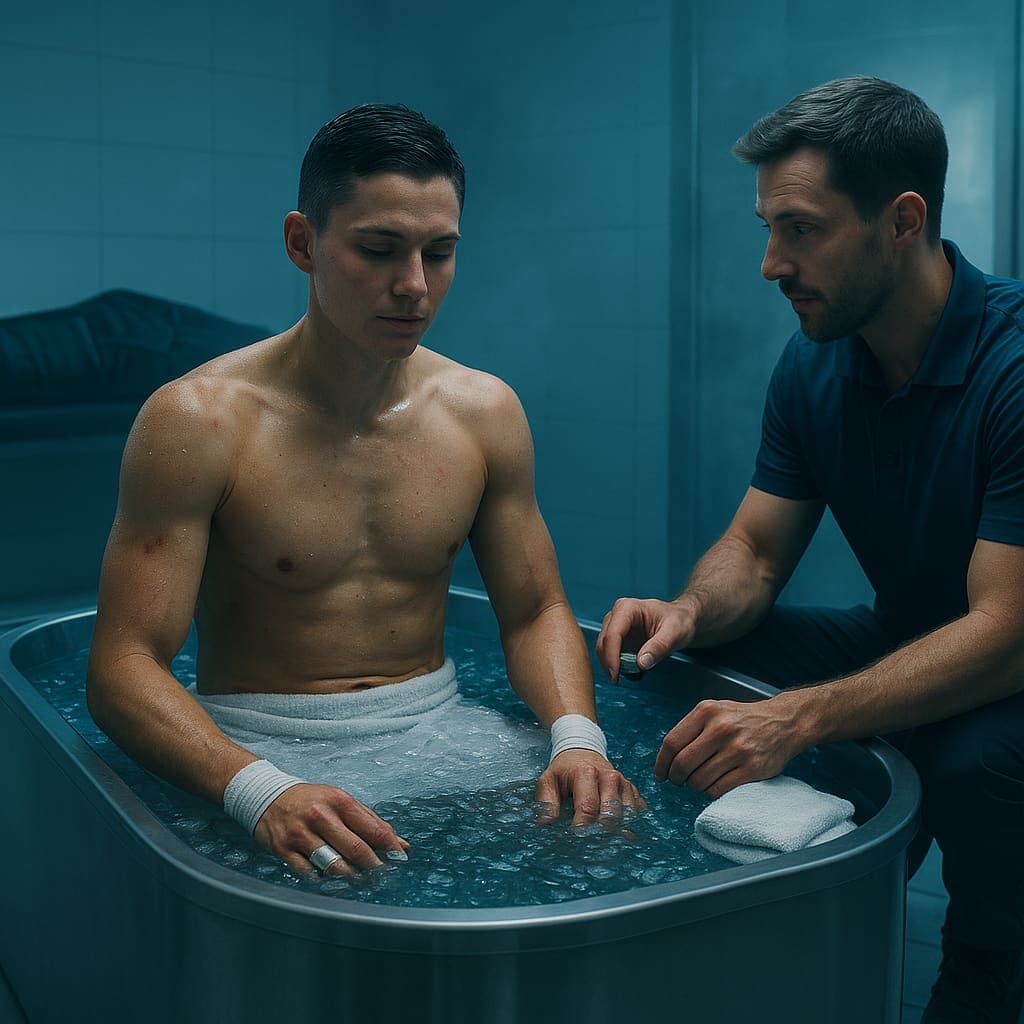
Cold and heat therapy both have their place. Cold water immersion after a hard session can reduce inflammation and perceived soreness, though the research suggests it may slightly blunt the long-term adaptation to training. Save it for competition blocks or after particularly brutal sessions rather than using it every day. Heat, whether from a hot bath, a sauna, or a steam room, promotes blood flow and muscle relaxation and is worth making a regular habit. Contrast therapy, alternating hot and cold, combines some benefits of both.
Massage, where available, is an underrated tool. A good sports massage loosens tight tissue, improves circulation, and helps identify small problems before they become big ones. Many Thai camps have in-house massage available cheaply, and fighters use it regularly. Outside of Thailand, a monthly session with a sports massage therapist is a worthwhile investment for any serious trainee.
Finally, listen to your body. Fatigue, nagging pain, mood changes, and drops in performance are all signals that recovery is lagging behind training load. Push through these warnings and you will eventually pay with a much larger setback. Back off, eat more, sleep more, and come back stronger. The fighters who have the longest and most successful careers are not the ones who train the hardest every day. They are the ones who recover well enough to train hard again tomorrow, and the day after, and the year after that.