5 min read
PAD WORK — THE COMPLETE GUIDE TO GETTING THE MOST FROM IT
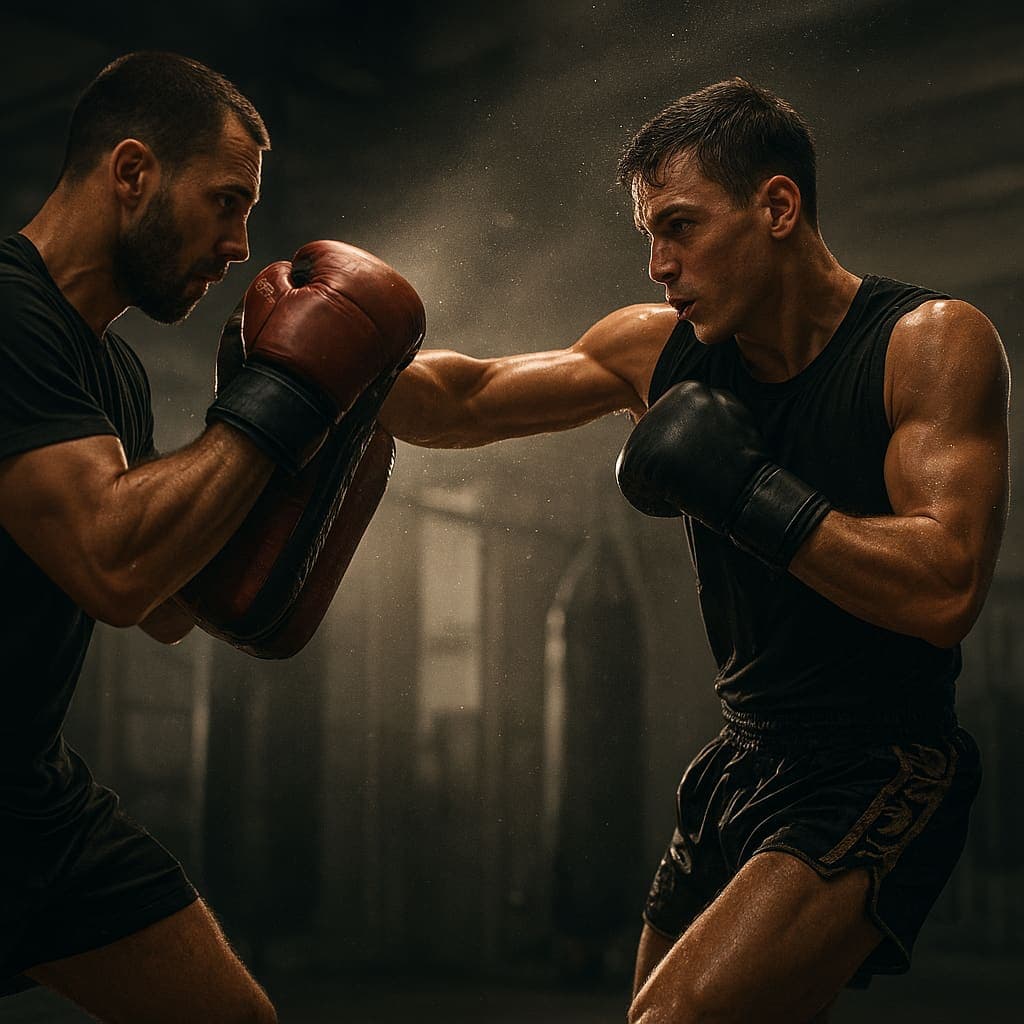
Pad work is the beating heart of Muay Thai training. In a single session on the pads with a skilled holder, a fighter can practice technique, refine timing, build power, develop combinations, improve conditioning, and get direct feedback from a knowledgeable coach, all at the same time. No other training modality combines so many elements at once, and no serious fighter gets to a high level without spending significant hours on the Thai pads. Understanding how to get the most out of every round, whether as the fighter or the holder, separates the trainees who improve rapidly from those who plateau.
The first thing to understand is that pad work is a collaboration. The holder and the fighter are working together toward shared goals, and both have responsibilities. The fighter's responsibility is to execute techniques cleanly, commit to the strikes fully, and listen to the holder's corrections. The holder's responsibility is to present the pads at realistic angles, call for combinations that build the fighter's skills, provide corrective feedback, and control the pace of the round to match the fighter's goals. When both parties understand these responsibilities, the pad work becomes enormously productive.
Good pad holding is a skill in itself, and great pad holders are treasured by fighters for good reason. A great pad holder moves with the fighter, creating openings at angles that match where those openings would appear in a real fight. They absorb impact correctly, so that the fighter can commit fully without injuring the holder and so that the feedback on technique is accurate. They call combinations that address what the fighter is specifically working on, whether that is a new technique, a specific setup, or a conditioning drill. They correct the fighter's form in real time, both with words and by adjusting the positioning of the pads. A truly great holder can transform a fighter's development in a way that even the best heavy bag work cannot match.
As a fighter on the pads, your job is to treat every strike with the intensity it deserves. If the holder calls a power round, you commit to every strike with full force through the target. If the holder calls a technical round, you slow down and focus on form rather than power. If the holder calls a combination drill, you throw the exact combination requested, in the exact order, with full attention to each part. Do not drift into improvisation unless the holder invites it. The structure is there for a reason, and abandoning it wastes the round.
Typical pad work structure flows through several phases during a session. A warm-up round at light to moderate intensity establishes rhythm and prepares the body for harder work. Technique rounds focus on specific skills, often isolating particular strikes or combinations for deep repetition. Power rounds build explosive commitment and the ability to generate force on demand. Conditioning rounds push the fighter to maintain output under fatigue, mimicking the late rounds of a fight. Sparring-like rounds, where the holder plays more dynamic roles and offers feedback through simulated pressure, prepare the fighter for the intensity of live competition. A cool-down round at light intensity closes the session.
Communication during pad work matters enormously. The holder should give feedback frequently, both praise when something is done well and corrections when it is not. The fighter should ask questions between combinations, request clarification on techniques, and mention any injuries or fatigue that might affect the session. Good coaches spend significant time explaining not just what to do but why, and this explanation deepens the fighter's understanding in ways that mechanical repetition cannot.
Intensity levels vary and should be matched to the day's goals. Some days call for technical work at moderate intensity, where the priority is clean execution and the fighter may throw hundreds of carefully-placed strikes. Other days call for power work, where the fighter focuses on fewer, harder strikes with full body commitment. Still other days are about conditioning, where the pace is relentless and the fighter pushes through fatigue to build the stamina needed for competition. Doing every session at maximum intensity is neither productive nor sustainable.
As a fighter, work with multiple holders if possible. Each holder brings their own style, their own preferences for combinations, and their own ways of teaching. Exposure to different holders makes you a more adaptable fighter and prevents you from becoming reliant on the quirks of a single holder. In Thailand, many fighters rotate through several padmen in a single session, getting exposure to different approaches and accumulating hundreds of rounds of technique refinement per week.
Finally, respect the holder. Pad holding is physically demanding, and a good session puts serious wear on the holder's body. Tip your padmen in Thailand, as discussed in our articles on Thai camp etiquette. At home gyms, thank your coach, ask questions, apply their feedback, and show up consistently. The holders who see your effort and commitment will give you their best work, and that best work is where rapid improvement happens.