4 min read
MUAY THAI VS BOXING — WHAT CHANGES WHEN YOU ADD KICKS
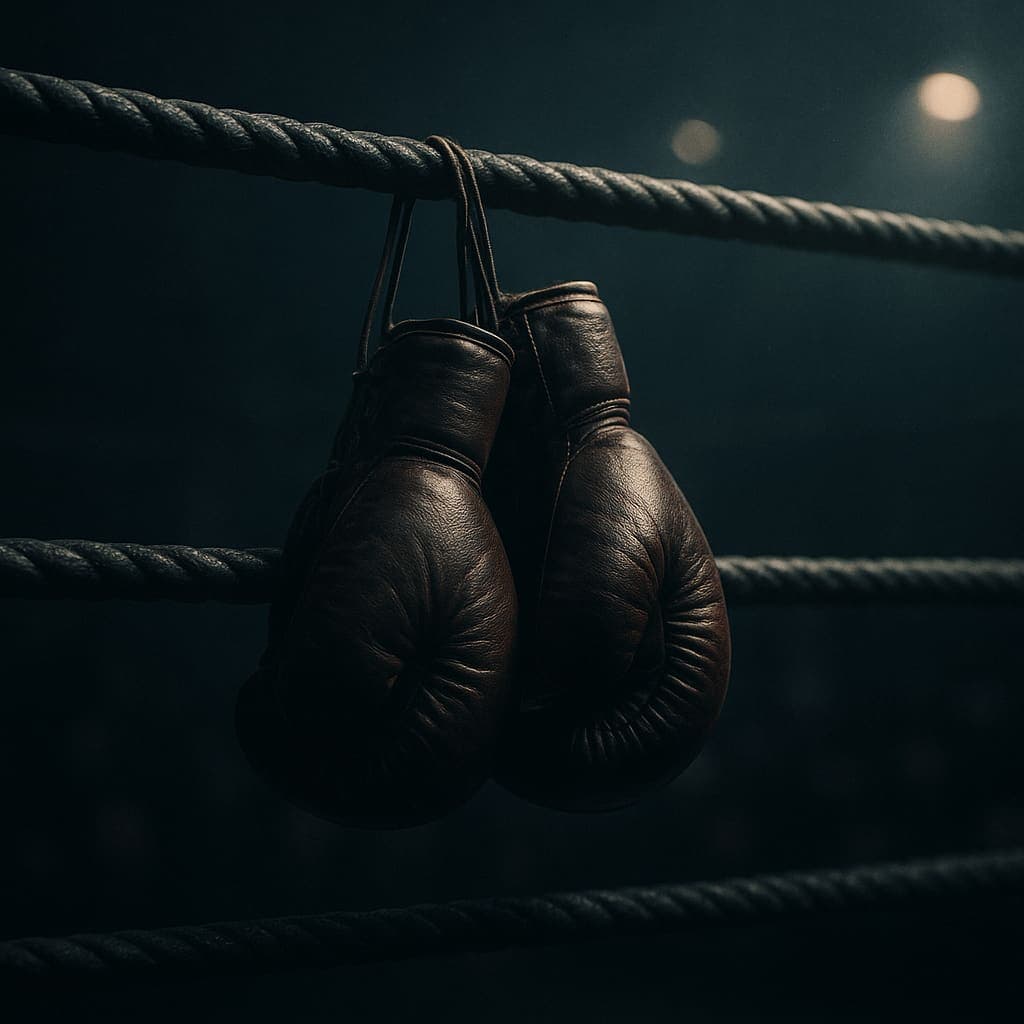
Boxing and Muay Thai share the same basic DNA. Two fighters, a ring, gloves, and the goal of landing cleaner and harder than the person opposite you. But anyone who has crossed over from one to the other will tell you that the moment you add kicks, knees, and elbows to the toolkit, almost everything about the tactical landscape changes. Stance, footwork, range management, defensive priorities, and even the rhythm of exchanges are fundamentally different. Understanding what changes helps you transition between the two or decide which better suits the fighter you want to become.
The first thing that changes is stance. A boxing stance is bladed, with the lead shoulder forward, the chin tucked behind it, and the weight loaded over the rear leg so that the rear hand can drive through the full rotation of the hips. This stance is brilliant for punching but terrible for defending kicks. A low kick to the lead leg would collapse a bladed stance immediately, and attempting to check a kick with a bladed body leaves the fighter off balance. In Muay Thai, the stance is more square and more upright, with weight slightly forward on the lead leg so that the rear leg can be lifted quickly to check incoming kicks. The tradeoff is slightly less punching power, but the ability to survive leg kicks is non-negotiable.
Range management becomes vastly more complicated when kicks are in play. A boxer operates in three ranges: out of range, punching range, and clinch range. A Muay Thai fighter operates in at least five: out of range, kicking range, knee range, punching range, and clinch range. Each range has its own dominant weapons, and the fighter who controls which range the fight takes place in typically controls the fight. A boxer who tries to close distance against a Muay Thai fighter will walk into teeps, knees, and elbows that simply do not exist in his normal sparring diet.
Footwork differs accordingly. Boxers slip, bob, and pivot with extraordinary subtlety, moving their heads off the centerline to avoid punches while staying planted enough to return fire. Muay Thai footwork is more upright and more lateral, built around getting out of the path of kicks and into angles where the opponent cannot kick back effectively. The Muay Thai fighter does not bob down into punching range, because a knee to the face is waiting for him if he does.
Defense prioritizes different things. Boxers block punches with their gloves, catch them on the shoulders, slip them with head movement, and parry them with subtle redirections. Muay Thai fighters use all of those techniques for punches, but they also check kicks with the shin, frame against knees with the forearms, catch the opponent's kicking leg, and use long guard positions to discourage elbows in the clinch. Head movement in Muay Thai is less aggressive than in boxing because bending forward invites a knee or uppercut elbow.
Rhythm is perhaps the biggest difference. Boxing rhythm is fast and continuous. Jabs probe, combinations land, feints set up the next exchange, and fighters rarely stand still. Muay Thai rhythm is patient, almost meditative. Thai fighters study each other for long stretches before unleashing a single hard kick or combination, and the pace can seem slow to someone accustomed to boxing's pressure-driven style. The scoring systems reward these different rhythms, and fighters who try to impose boxing pace on a Muay Thai match often gas out and lose the late rounds.
Coming from boxing into Muay Thai, the hardest adjustments are usually learning to check kicks, developing a shin that can handle impact, and slowing the pace enough to fight patiently. Coming from Muay Thai into boxing, the hardest adjustments are learning to deal with sustained head movement, developing a more aggressive defensive posture against combinations, and managing the faster rhythm of pure hands. Both sports produce incredible athletes, and time spent in each makes you better at the other, but the tactical gulf between them is wider than most fans realize.