4 min read
WHAT THAI FIGHTERS EAT — THE TRADITIONAL MUAY THAI DIET
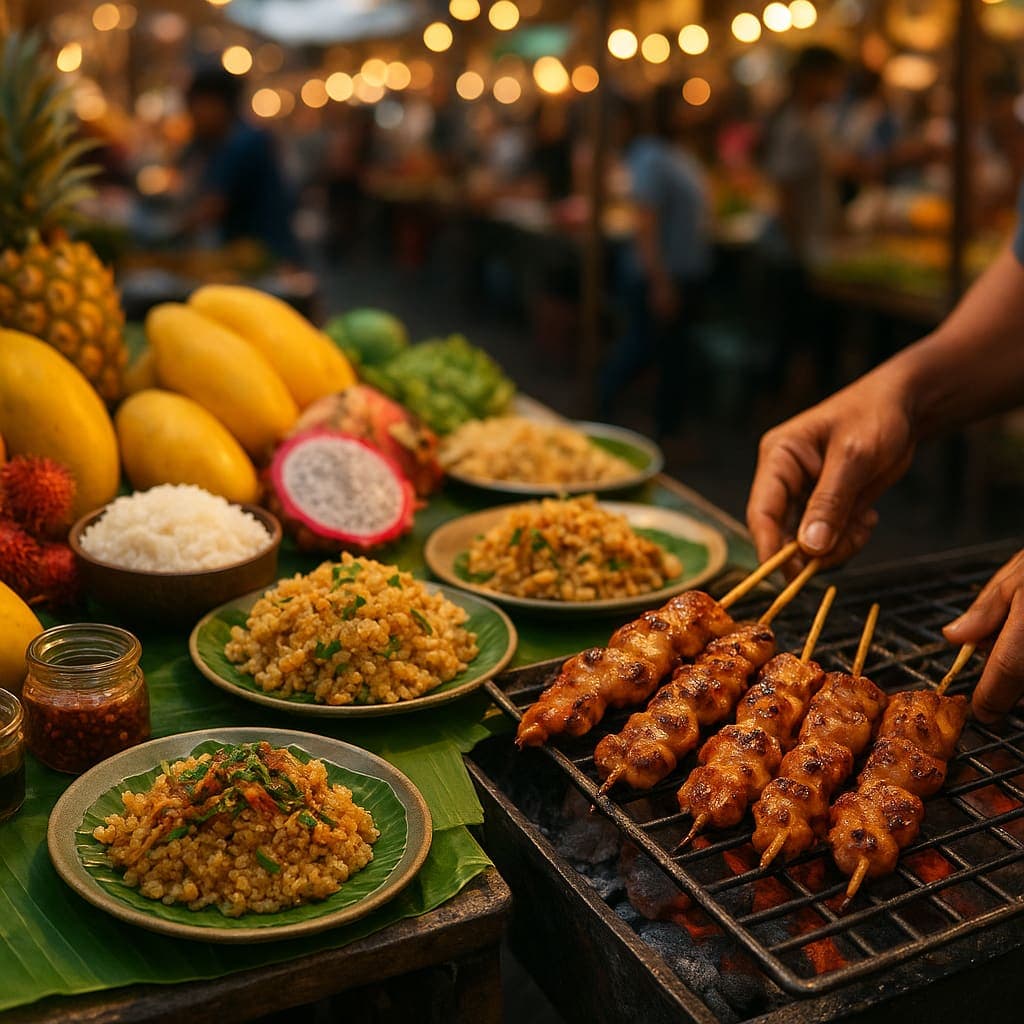
The diet of a Thai fighter bears little resemblance to the protein-heavy, macro-counted meal plans popular in Western fitness culture. At a traditional camp in Buriram, Korat, or the outskirts of Bangkok, the food is simple, rice-based, and shaped by what is cheap and available at the local market. Yet this diet fuels some of the hardest-working athletes in combat sports, and understanding it offers insight into how Thai fighters sustain their twice-daily training volume.
Rice is the foundation of every meal. A typical Thai fighter eats rice at breakfast, lunch, and dinner, usually in quantities that would shock a Western bodybuilder. Jasmine rice provides the carbohydrates needed to fuel the six-kilometer morning run and the hours of pad work, bag rounds, and clinch that follow. Sticky rice, especially in the north and northeast, serves the same role. The idea that carbohydrates are the enemy has no place in a traditional Thai camp. Fighters burn through glycogen so rapidly that they need the fuel to perform.
Protein comes primarily from eggs, chicken, pork, and river fish. Beef is less common because cattle are not as widely raised in Thailand as poultry and pigs. A fighter might eat moo ping, grilled pork skewers marinated in a soy and palm sugar glaze, alongside rice for breakfast. Gai yang, grilled chicken, appears frequently at lunch and dinner. Larb, a minced meat salad with lime, fish sauce, and toasted rice powder, is another staple, particularly in the Isan region where many of Thailand's best fighters come from.
Vegetables appear in almost every meal, often in the form of soups, stir-fries, or raw accompaniments to spicy dishes. Morning glory stir-fried with garlic and oyster sauce is nearly universal. Green papaya salad, som tam, provides fresh vegetables, chili, and lime that stimulate appetite in the heat. Clear broth soups with vegetables and small amounts of meat hydrate and replenish electrolytes lost during training. The vegetables are rarely the focal point of the meal, but they show up consistently.
Between meals, fighters drink enormous quantities of water and often green tea. Sweetened beverages and energy drinks are less common in traditional camps than Western visitors might assume. M-150, a Thai caffeinated tonic, makes an appearance before fights and occasionally before hard training, but plain water dominates. Coconut water is widely consumed for electrolyte replacement, especially after the morning run when the heat has already climbed.
What Thai fighters generally do not eat is just as interesting as what they do. Processed food, protein bars, protein powders, and meal replacements are rarely part of the traditional diet. Dairy is nearly absent because it is not a traditional part of Thai cuisine and lactose intolerance is common in the population. Desserts are minimal, and when they appear they tend to be fruit-based, like mango with sticky rice, rather than refined sugar and flour products.
Fight week nutrition shifts depending on whether the fighter needs to cut weight. Thai fighters typically walk around relatively close to their fight weight and do not rely on the aggressive water manipulation common in Western combat sports. If a cut is needed, rice portions are reduced and salt is controlled in the final days. The rehydration after weigh-ins is gentle, often just more rice and water, rather than the IV-assisted protocols seen elsewhere.
For Western practitioners looking to adopt elements of the Thai fighter diet, the lesson is not to copy it exactly but to respect the principles behind it. Eat real food. Base meals around rice or other whole carbohydrates. Include protein but do not obsess over hitting a number. Add vegetables naturally. Drink water constantly in hot training environments. Avoid processed products that promise shortcuts. The Thai fighter diet works because it is sustainable, affordable, and aligned with the work it has to support.