4 min read
WHAT A FIGHT NIGHT IN THAILAND IS REALLY LIKE
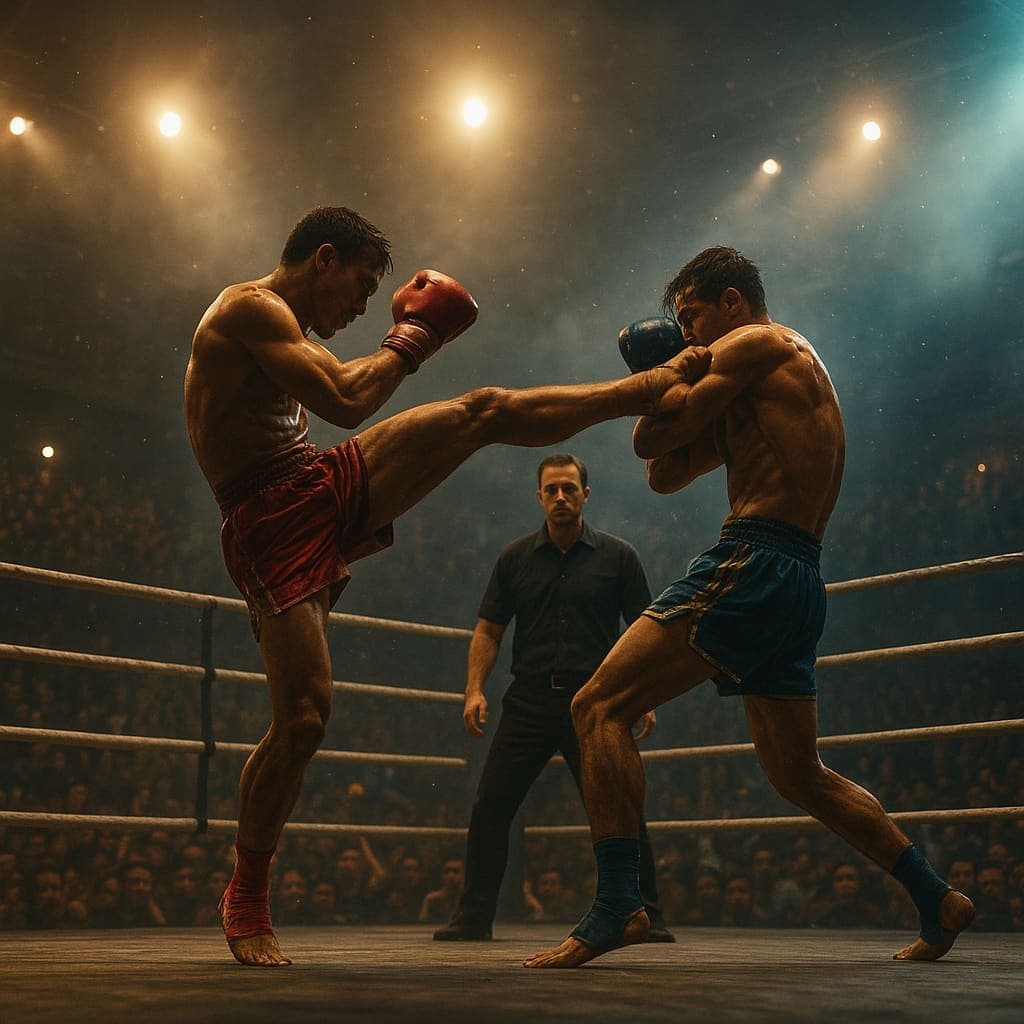
Your first Muay Thai fight night in Thailand is one of those experiences that resets your understanding of what combat sports can be. Expectations shaped by Western boxing or MMA do not translate. The pace is different, the crowd behaves differently, the music is part of the action rather than background noise, and the fighters themselves approach the ring with a mixture of ritual, precision, and business-like calm that has no real equivalent in other cultures. Whether you visit Lumpinee, Rajadamnern, Channel 7, or a small rural stadium, fight night in Thailand is an experience worth traveling for.
The night usually starts with fights featuring younger and less experienced fighters, often children or teenagers who are working their way up the stadium rankings. These early fights are sometimes dismissed as warm-ups by foreign spectators, but they are genuinely competitive and often showcase skills that would make the average gym trainee weep with envy. The young fighters are already seasoned professionals despite their age, and their footwork, timing, and ring craft reflect years of daily training at camps where they live and eat alongside their trainers.
Each fighter enters the ring to live music, the sarama, played by a small traditional ensemble at ringside with a drum, cymbals, a Thai oboe called a pi chawa, and sometimes additional instruments. The music is not a cultural flourish that happens before the fight begins. It continues through the entire bout, rising and falling with the action, speeding up during intense exchanges and slowing during lulls. Fighters sometimes time their movements to the rhythm, and the ensemble adjusts its tempo to match the pace of the action. Once you have seen a few fights with live sarama, fight videos without it start to feel incomplete.
Before the fight proper begins, each fighter performs the Wai Kru Ram Muay, a traditional pre-fight dance that pays respect to trainers, ancestors, and the spirits of the ring. The dance is personal to each camp, with subtle variations that tell informed observers where the fighter trained and who his teachers were. Fighters wear the traditional prajead armbands and the mongkol headband during this ceremony. When the dance is complete, the mongkol is removed by the trainer with a blessing and the fight is ready to begin.
The crowd itself is unlike any other fight crowd. The front rows at Lumpinee and Rajadamnern are traditionally occupied by serious gamblers who follow Muay Thai professionally, betting large sums on every fight based on close analysis of form and technique. Their cheering rises and falls with the shifting odds, and the collective roar from the gambling section serves as a running indicator of who is perceived to be winning. When momentum shifts, you can hear it in the crowd before you necessarily see it in the fight. This creates an atmosphere that is both intense and business-like, with genuine passion intermixed with the calculations of professional punters.
The pacing of the fight will surprise first-time Western viewers. Round one and round two are often cautious, almost dance-like, as the fighters feel each other out, establish range, and test reactions. The real fight typically happens in rounds three, four, and five. This reflects the traditional scoring system, which weights the later rounds more heavily, and it creates a dramatic buildup that rewards patient observation. Trying to watch a Thai fight with the expectation of immediate action will frustrate you. Accepting the slower early pace and watching the subtle positioning will transform the experience.
Between rounds, the fighters return to their corners where seconds apply water, rub their limbs vigorously to keep the blood moving, and provide tactical instructions. The in-corner coaching is often intense, particularly as the later rounds approach, with head trainers barking specific adjustments based on what they have seen. Many Thai corners are famous for their ability to completely reset a fighter's strategy between rounds and deliver a different tactical approach in the next three minutes.
After the final bell, scoring is announced quickly. Decisions are usually uncontroversial among the professional gamblers in attendance, who have a remarkably accurate collective sense of how rounds have been scored. The winning fighter acknowledges the losing fighter, the trainers exchange handshakes, and the crowd begins preparing for the next bout on the card. There is rarely the drawn-out drama of Western post-fight interviews or lengthy replays. The business of fight night in Thailand is efficient, traditional, and over almost before you realize it.