4 min read
THE BEST BOXING GLOVES FOR MUAY THAI BEGINNERS IN 2026
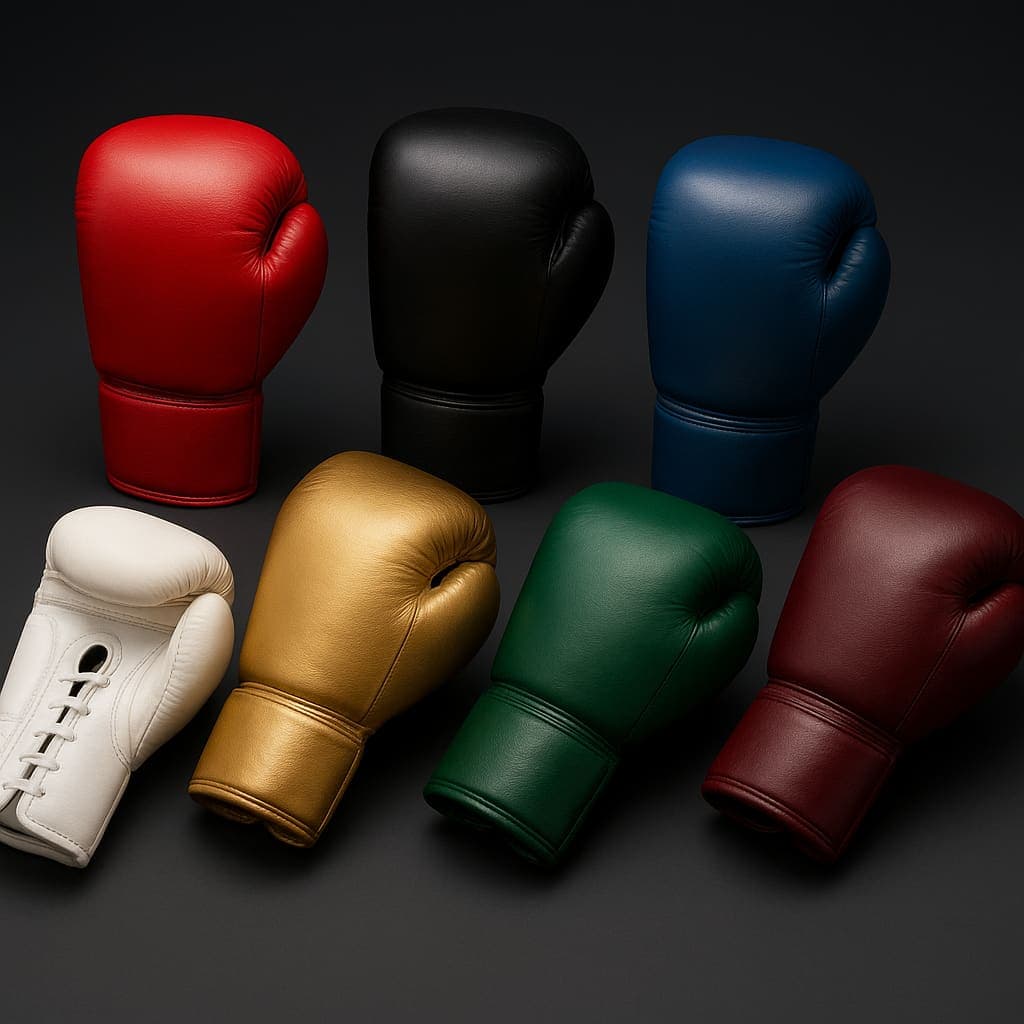
Buying your first pair of boxing gloves for Muay Thai training feels more complicated than it should be. The market is flooded with options ranging from twenty-dollar starter gloves to three-hundred-dollar hand-stitched leather pairs made in Thailand. Most beginners overspend on gloves they do not need or underspend on gloves that fall apart within a month. Understanding what actually matters in a glove helps you make a choice that serves your training without wasting money.
The first decision is weight. For Muay Thai training, fourteen to sixteen ounce gloves are the standard for most adults. Lighter gloves, in the eight to twelve ounce range, are primarily for fight competition or specific training scenarios like speed work. Heavier gloves, in the sixteen to eighteen ounce range, are preferred for sparring because they provide more padding to protect both you and your partners. A good rule of thumb is to buy fourteen ounce gloves if you are under seventy kilograms and sixteen ounce gloves if you are heavier. Many gyms require sixteen ounce minimum for sparring regardless of body weight.
The second decision is glove type. Pure boxing gloves are designed primarily for punching and often have stiffer wrist support and denser padding along the knuckles. Muay Thai gloves, sometimes called balanced gloves, distribute padding more evenly around the entire glove to accommodate catching kicks, defending in the clinch, and absorbing impact in unconventional positions. For Muay Thai training, a balanced glove or a Muay Thai-specific glove is preferable to a pure boxing glove, though many boxing gloves work adequately for beginners.
Material quality affects durability and feel. Genuine leather gloves, typically made from cowhide or buffalo hide, are the gold standard. They break in to conform to your hands, resist the wear of daily training, and last for years if cared for properly. Synthetic leather and polyurethane gloves are significantly cheaper but wear out faster, particularly at the seams and knuckles. For a beginner who is unsure whether they will stick with Muay Thai, a good synthetic glove in the fifty to eighty dollar range is a reasonable starting point. Once you are committed to training regularly, upgrade to genuine leather.
Brand matters less than most marketing would suggest, but there are reliable options at every price point. Thai-made brands like Twins Special, Fairtex, Top King, Windy, and Yokkao have dominated the market for decades and are considered the benchmark for quality. They are handmade in Thailand, use high-quality leather and padding, and are trusted by professional fighters. Western brands like Cleto Reyes, Winning, and Rival offer competitive quality, often at higher price points. Budget brands like Sanabul and Venum offer functional gloves at lower prices for beginners who want to test the waters.
Fit is more important than brand or material. A glove that does not fit your hand properly will feel wrong no matter how expensive it is. When trying on gloves, wrap your hands first, then insert them into the glove with fingers curled into a loose fist. The fingers should reach the end of the glove but not be crushed against it. The wrist closure should tighten firmly without cutting off circulation. The glove should feel snug across the back of the hand and secure around the wrist. Different brands cut their gloves differently, so trying multiple brands is worthwhile if possible.
Padding distribution and density vary between gloves and affect both performance and protection. A glove with soft, absorbent padding is more forgiving on your hands during heavy bag work and protects your partners during sparring. A firmer glove provides better feedback and may feel more responsive for pad work. Most beginners are best served by a softer, more forgiving glove because their hand conditioning and wrist strength are still developing.
Maintenance extends the life of any glove significantly. Never leave gloves sealed in a gym bag after training, which traps moisture and accelerates bacterial growth and leather breakdown. Air them out between sessions. Use a glove deodorizer or simply stuff them with newspaper to absorb moisture. Wipe the exterior clean with a damp cloth periodically. Avoid direct sunlight for extended periods, which dries out and cracks leather. A well-cared-for pair of quality leather gloves can last five years or more of regular training, which makes the upfront cost per session remarkably low.