5 min read
MUAY THAI VS KICKBOXING — HOW THE RULES REALLY DIFFER
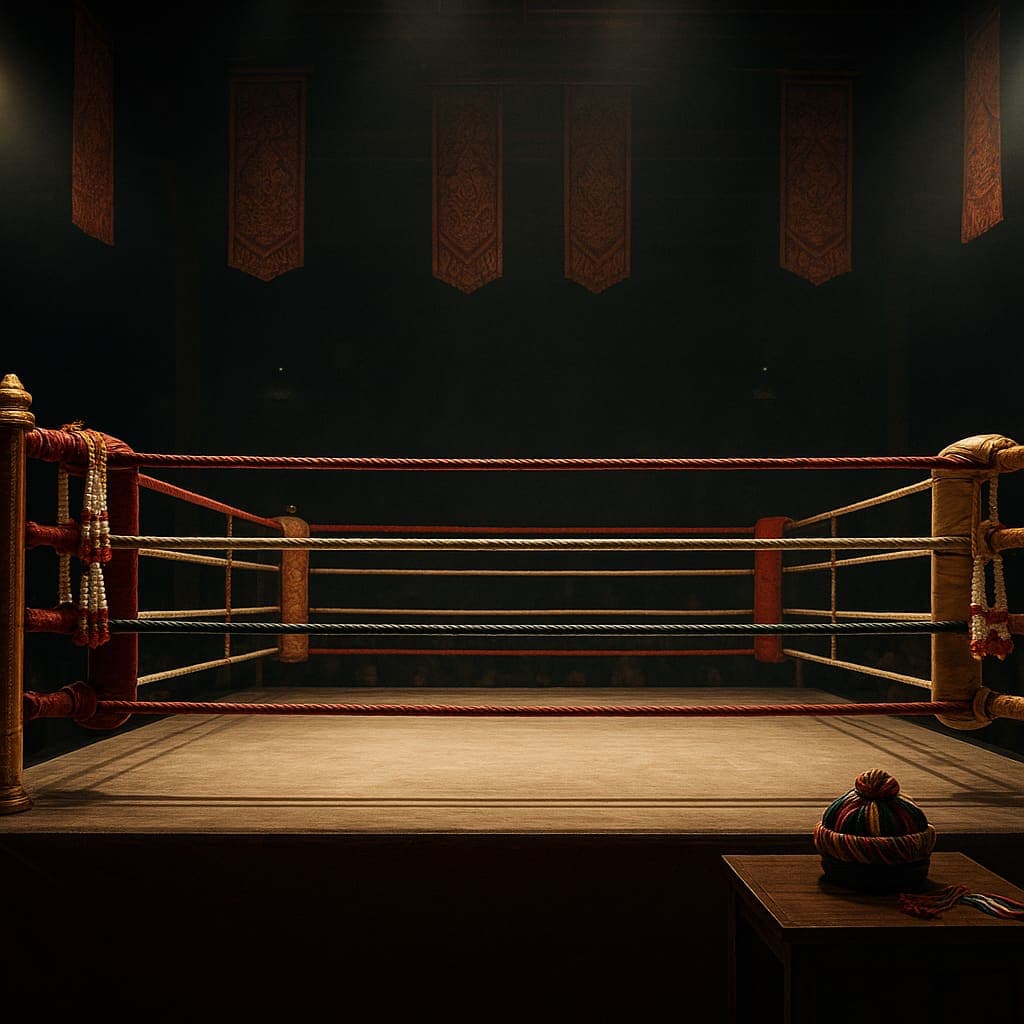
To a casual viewer, kickboxing and Muay Thai look almost identical. Two fighters in a ring, wearing gloves and shorts, throwing punches and kicks at each other. The differences become immediately obvious once you watch closely or understand the rules, and those differences produce dramatically different fights even when the same athletes compete under both formats. Understanding how the rules differ explains why some fighters excel under one ruleset and struggle under the other, and why fans often prefer one over the other for tactical reasons.
The most obvious difference is the legality of the clinch. In traditional Muay Thai, the clinch is a fully legal and heavily scored position. Fighters can establish neck ties, throw knees and elbows in close quarters, and execute sweeps and dumps to the canvas. Clinch exchanges can go on for extended periods and often decide rounds in traditional Thai scoring. In most kickboxing rulesets, the clinch is heavily restricted. Fighters are allowed a brief clinch, often just one or two knees, and then the referee separates them. In some kickboxing organizations, the clinch is banned almost entirely. This restriction changes everything about how fighters approach close range, and it disadvantages fighters whose primary weapon is the clinch game.
Elbows are the second major difference. Traditional Muay Thai allows elbow strikes, and the sok is one of the most devastating weapons in the art. Most kickboxing rulesets ban elbows entirely, forcing fighters to rely on punches and kicks exclusively. This has significant tactical implications. Without elbows, cutting an opponent becomes much harder, and fighters in close range have fewer tools available. Many great Muay Thai fighters who cross over to kickboxing find that losing their elbow game forces them to adjust their style substantially.
Knees are permitted in both formats, but the practical use of knees is very different. In Muay Thai, knees are often thrown from the clinch, where the fighter has control of the opponent's neck and can deliver sustained knee assault. In kickboxing, where the clinch is restricted, knees are usually thrown from outside, as part of combinations or as flying knees. Both approaches are valid, but they lead to completely different fighting styles.
Scoring systems differ fundamentally. Traditional Muay Thai scoring, done by Thai judges in Thai venues, weights kicks heavily, values the clinch, considers balance and composure as scoring factors, and gives the later rounds more weight than the early rounds. Most kickboxing scoring systems are more similar to boxing, scoring each round independently and typically valuing punches and kicks more equally than Thai scoring does. A fighter who dominates rounds one and two in kickboxing has built a lead that matters. A fighter who does the same in traditional Muay Thai may still lose if they fade in rounds four and five.
Number of rounds varies. Traditional Muay Thai uses five three-minute rounds. Many kickboxing formats use three three-minute rounds, with an extension round in the event of a draw in some cases. This difference alone changes pacing considerably. Fighters in a five-round fight can afford to feel out the first two rounds. Fighters in a three-round fight cannot, and they must come out aggressively from the opening bell.
Glove size and hand wrapping rules sometimes differ as well. Muay Thai glove sizes are generally standardized at eight to ten ounces for competition. Kickboxing promotions may use different sizes depending on the organization and the weight class. These small differences can actually matter, because heavier gloves feel different and change the way punches land and the way fighters absorb them.
Spinning and flashy techniques are handled differently in some promotions. Traditional Muay Thai does not specifically encourage or discourage spinning techniques, and creative fighters like Saenchai have used them effectively. Some kickboxing promotions give extra attention to highlight-style finishes, which can influence judging in close decisions. This is a subjective factor rather than a hard rule, but it affects how fighters train and what risks they are willing to take.
International Muay Thai promotions, such as ONE Championship and various European organizations, often use modified rulesets that fall somewhere between traditional Thai rules and Western kickboxing. These modifications may allow elbows in some cases but restrict them in others, may use different scoring criteria, and may shorten the number of rounds. Fighters competing in these promotions often have to adjust their game to the specific ruleset in question, which is one of the challenges of the modern international Muay Thai scene.
For fighters deciding between the two formats, the choice often comes down to strengths. Fighters with strong clinch games, devastating elbows, and the patience to work the late rounds will thrive in traditional Muay Thai. Fighters with fast combinations, heavy punches, and aggressive front-foot styles may do better in kickboxing, where their strengths are directly rewarded and where the restrictions on clinch work play to their advantage. Both are legitimate paths in combat sports, and many fighters make careers spanning both formats by adjusting their style to the ruleset they are competing under.